
Most of what we learn in life does not come from books, courses, or experts on a stage. It comes from real life experiences. These are the moments that surprise us, challenge us, and sometimes push us into uncomfortable territory. They shape how we think, how we act, and how we understand other people.
When someone shares real life experiences, they are not offering theory. They are offering something tested by time, mistakes, and reflection. That is why these stories feel relatable and useful. They sound like the truth because they are built on lived moments, not assumptions.
In this article, we will explore how real life experiences influence personal growth, work decisions, relationships, and mindset. We will also look at why they are often more valuable than polished advice and how you can learn from your own experiences more intentionally.
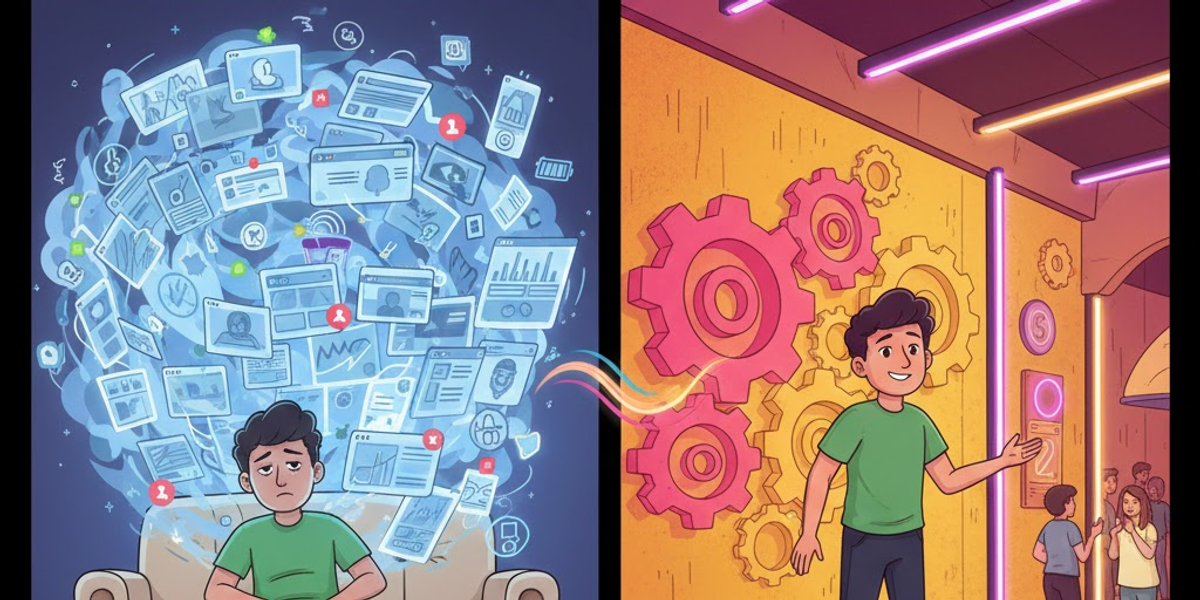
What Are Real Life Experiences
Real life experiences are events and situations you personally live through. They include successes, failures, everyday routines, and unexpected changes. Some are dramatic, while others are quiet and easy to miss.
These experiences often include:
-
First jobs and early career mistakes
-
Relationships that worked and those that did not
-
Financial decisions that taught hard lessons
-
Health challenges or lifestyle changes
-
Moments of confidence and moments of doubt
Unlike abstract ideas, real life experiences come with emotions, consequences, and context. You remember how you felt, not just what happened. That emotional layer is what makes them powerful teachers.
Why Real Life Experiences Feel More Trustworthy
People tend to trust stories over instructions. When someone says, “This is what worked for me,” it feels honest. It does not pretend to be perfect or universal.
Real life experiences feel trustworthy because:
-
They include flaws and uncertainty
-
They acknowledge mistakes instead of hiding them
-
They show results over time, not overnight
-
They feel human, not scripted
Advice without experience can sound confident but empty. Experience based insights may sound less polished, but they often carry more weight because they come from reality.
Learning Through Failure
Failure is one of the most common sources of real life experiences. It is also one of the most uncomfortable. No one enjoys failing, yet many of the most valuable lessons come from moments when things did not go as planned.
Failure teaches you things success often cannot:
-
Where your assumptions were wrong
-
Which skills you actually need to improve
-
How you respond under pressure
-
What truly matters to you
For example, someone who launches a small business and struggles to make it profitable learns more about budgeting, customer behavior, and resilience than someone who only reads about entrepreneurship. That lived knowledge stays with them.
Real Life Experiences in Career Growth
Career advice is everywhere, but real progress usually comes from doing the work and reflecting on it. Your job, whether you love it or not, becomes a daily classroom.
Common career related real life experiences include:
-
Realizing a role is not what you expected
-
Learning how to handle difficult colleagues
-
Understanding the value of clear communication
-
Discovering what kind of work drains or energizes you
Over time, these experiences help you make better decisions. You stop chasing titles and start focusing on fit, growth, and balance because you have seen what happens when those things are missing.
How Real Life Experiences Shape Decision Making
Decisions feel different after you have lived through their consequences. Reading about risk is not the same as dealing with the results of a risky choice.
Real life experiences improve decision making by:
-
Making you more aware of trade offs
-
Teaching patience through long outcomes
-
Helping you spot patterns in your own behavior
-
Reducing fear through familiarity
For instance, someone who once rushed into a major purchase without planning may approach future decisions more calmly. That lesson did not come from advice. It came from experience.
Relationships and Human Understanding
Relationships are one of the richest sources of real life experiences. They teach empathy, communication, and boundaries in ways that no guide ever fully can.
Through relationships, people often learn:
-
How to listen instead of reacting
-
When to compromise and when to stand firm
-
The importance of respect and honesty
-
How personal values affect compatibility
Breakups, conflicts, and reconciliations are painful, but they often lead to deeper self awareness. Over time, these experiences shape how you connect with others and what you expect from relationships.
The Difference Between Shared and Personal Experiences
Hearing about other people’s real life experiences can be helpful, but they are not a substitute for your own. What works for one person may not work for another.
Shared experiences are useful because they:
-
Offer perspective and reassurance
-
Help you feel less alone
-
Provide ideas you might not consider
Personal experiences matter more because they:
-
Reflect your values and circumstances
-
Teach lessons tailored to your situation
-
Stick with you longer
The balance comes from listening to others while still trusting your own lived reality.
Everyday Moments That Teach Big Lessons
Not all real life experiences are dramatic. Many of them happen in ordinary moments that only seem important in hindsight.
These can include:
-
Managing a tight monthly budget
-
Navigating a busy family schedule
-
Handling feedback at work
-
Making time for rest and health
These everyday experiences quietly shape habits and attitudes. Over time, they influence how you manage stress, time, and priorities.
Why Real Life Experiences Are Hard to Replace
Courses, books, and mentors are valuable, but they cannot fully replace lived experience. You can understand an idea intellectually and still struggle to apply it in real situations.
Real life experiences are hard to replace because they involve:
-
Emotional investment
-
Real consequences
-
Unpredictable variables
-
Personal responsibility
These elements force deeper learning. You do not just know what to do. You understand why it matters.
Reflecting on Your Experiences
Experience alone is not enough. Reflection is what turns events into lessons. Without reflection, people repeat the same mistakes and miss opportunities to grow.
Simple ways to reflect include:
-
Writing down what worked and what did not
-
Asking yourself what you would do differently next time
-
Noticing patterns in your choices
-
Discussing experiences with someone you trust
Reflection helps you extract meaning from events, even difficult ones. It turns experience into insight.
Using Real Life Experiences to Help Others
When shared thoughtfully, real life experiences can help others feel understood and supported. The key is to share without pretending your experience is the only correct path.
Helpful sharing focuses on:
-
What you learned, not what others should do
-
Context, so people understand the situation
-
Honesty about uncertainty and mistakes
This approach builds connection rather than pressure. It invites conversation instead of comparison.
Common Misunderstandings About Experience
Some people believe experience automatically leads to wisdom. That is not always true. Experience without reflection can lead to rigid thinking instead of growth.
Common misunderstandings include:
-
More years always mean better judgment
-
Past success guarantees future results
-
One experience defines your abilities
Real growth comes from staying curious and open, even after many experiences.
Building Confidence Through Experience
Confidence built on real life experiences is different from surface level confidence. It is quieter and more stable because it is grounded in reality.
This type of confidence comes from:
-
Knowing you can recover from mistakes
-
Trusting your ability to learn
-
Understanding your limits and strengths
It does not mean you never feel doubt. It means doubt does not stop you from moving forward.
How to Value Your Own Experiences More
Many people underestimate the value of their own real life experiences. They assume their stories are ordinary or not worth sharing.
To value your experiences more:
-
Recognize the challenges you have handled
-
Notice how your thinking has changed over time
-
Respect the effort it took to get where you are
Your experiences do not need to be extreme to be meaningful. If they shaped you, they matter.
Real Life Experiences in a Changing World
The world changes quickly, and advice can become outdated fast. Real life experiences help people adapt because they teach flexibility and problem solving.
In uncertain times, experience helps you:
-
Stay calm under pressure
-
Adjust plans when needed
-
Focus on what you can control
These skills are learned through doing, not just planning.
Final Thoughts on Real Life Experiences
Real life experiences are not always comfortable, but they are honest. They teach lessons that stick because they are tied to real moments, real feelings, and real outcomes.
When you start paying attention to your experiences, reflecting on them, and learning from them, you build practical wisdom. You become better at making decisions, understanding others, and navigating change.
In the end, real life experiences are not just things that happen to you. They are tools you can use to grow, adapt, and help others along the way.
Click Here